I Gave My Son Our Family Home—Now I Feel Like a Stranger in My Own Life

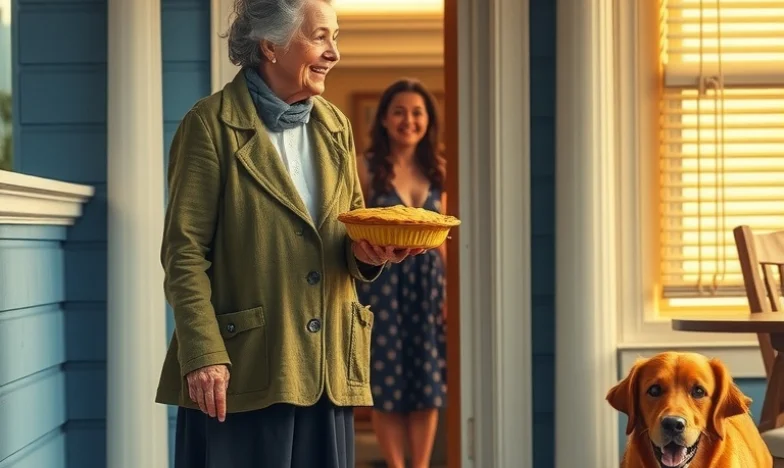
The first time I knocked on my own front door, my hand trembled. I could hear laughter inside—the kind that used to echo through these rooms when I was the one hosting Sunday dinners. Now, I waited on the porch, clutching a pie I’d baked, wondering if I should have called first.
“Mom, you’re here!” my son, Michael, called out, swinging open the door. He smiled, but there was a flicker of surprise in his eyes. Behind him, his wife, Jessica, was setting the table, her movements brisk and efficient. My granddaughter, Lily, darted past, barely glancing at me as she chased their golden retriever down the hall.
I stepped inside, the familiar scent of lemon polish and old wood washing over me. But something was different. The walls were a new shade of blue, my old curtains replaced with sleek blinds. My favorite armchair was gone. I felt like a guest, not the woman who’d spent thirty years making this house a home.
—
It started last spring, after my husband passed away. The house felt too big, too quiet. Michael had always loved this place—he’d grown up here, after all. When he and Jessica started talking about buying a bigger house for their growing family, I thought, why not give them this one? It seemed like the right thing to do. I’d move into a small apartment nearby, close enough to visit, far enough to give them space.
“Are you sure, Mom?” Michael had asked, concern creasing his brow. “You don’t have to do this.”
“I want to,” I insisted, forcing a smile. “This house should be filled with life again.”
We signed the papers in June. I handed over the keys, and with them, a lifetime of memories. I told myself it was just a house. But as the weeks passed, I realized I’d given away more than just a building.
—
At first, I visited often. Jessica was polite, but I could sense her unease. She rearranged the kitchen, donated my old dishes, and replaced the garden gnomes with modern planters. Michael tried to keep the peace, but I saw the tension in his shoulders every time I offered advice or reminisced about the way things used to be.
One afternoon, I found Jessica in the backyard, pulling up my rose bushes. “They’re too much work,” she said, not meeting my eyes. “We want to put in a playset for Lily.”
I nodded, swallowing the lump in my throat. “Of course. It’s your home now.”
But that night, alone in my apartment, I cried for the roses, for the memories, for the feeling that I no longer belonged anywhere.
—
The holidays were the hardest. Thanksgiving had always been my domain—the smell of turkey, the clatter of dishes, the warmth of family gathered around the table. This year, Jessica hosted. She served quinoa stuffing and kale salad. My pumpkin pie sat untouched at the end of the buffet.
After dinner, I lingered in the kitchen, washing dishes. Michael found me there, hands in his pockets.
“Mom, you don’t have to do this,” he said softly.
“I know,” I replied, scrubbing a plate a little too hard. “Old habits die hard.”
He hesitated, then hugged me. “We love having you here. But you don’t have to take care of everything anymore.”
I wanted to tell him that taking care of this house, of him, was all I’d ever known. But the words stuck in my throat.
—
As winter settled in, I visited less. My apartment was quiet, but at least it was mine. I filled it with photos, knitted blankets, and the scent of cinnamon candles. Still, I missed the creak of the stairs, the way sunlight filtered through the stained-glass window in the foyer, the sound of Michael’s laughter echoing down the hall.
One evening, Michael called. “Lily wants you to come to her school play. She’s the lead in ‘The Nutcracker.’”
I agreed, my heart swelling with pride. After the show, Lily ran into my arms. “Grandma, did you see me dance?”
“You were wonderful, sweetheart,” I whispered, holding her tight.
Jessica approached, her expression softer than usual. “Thank you for coming. Lily was so happy you were here.”
For a moment, I felt a flicker of belonging. Maybe this was what family looked like now—different, but still connected.
—
But the ache never fully faded. One rainy afternoon, I stopped by the house unannounced, hoping to drop off some old photo albums. Jessica answered the door, her face tight with surprise.
“Oh, hi, Linda. We weren’t expecting you.”
“I just wanted to bring these by,” I said, holding out the albums.
She hesitated, then took them. “Thank you. We’re actually about to head out for Lily’s soccer game.”
I stood on the porch, watching as they piled into the car, laughter trailing behind them. The door closed, and I was left alone in the drizzle, clutching my umbrella and wondering if I’d made a terrible mistake.
—
The weeks blurred together. I busied myself with volunteering at the library, joining a book club, and taking long walks in the park. But every time I passed the old house, my heart twisted. I’d given Michael a gift, but in doing so, I’d lost my anchor.
One evening, Michael called. “Mom, can we talk?”
We met at a coffee shop. He looked tired, worry etched into his face.
“Jessica thinks you’re unhappy,” he said quietly. “She feels like you don’t like the changes we’ve made.”
I stared into my coffee, searching for the right words. “It’s not that. I just… I miss the way things were. I miss feeling needed.”
He reached across the table, squeezing my hand. “You’ll always be needed, Mom. But things are different now. We’re trying to make the house our own.”
I nodded, tears prickling my eyes. “I know. I want you to be happy here. I just didn’t realize how hard it would be to let go.”
—
That night, I sat in my apartment, surrounded by silence. I thought about all the years I’d spent building a home, raising a family, pouring my heart into every corner of that house. I’d given it away out of love, but maybe I hadn’t been ready to say goodbye.
I realized then that home isn’t just a place—it’s the people, the memories, the love we carry with us. Maybe I’d lost the house, but I hadn’t lost my family. I just needed to find a new way to belong.
—
Now, I visit the house less often. When I do, I bring cookies for Lily, chat with Jessica about her new garden, and listen to Michael’s stories about work. I’m learning to let go, to cherish the memories without clinging to the past.
Sometimes, late at night, I walk by the old house and see the lights glowing in the windows. I imagine laughter, warmth, and love filling those rooms. And I remind myself that I helped build that happiness, even if I’m no longer at the center of it.
Was it the right decision? I’m still not sure. But I’m learning that sometimes, loving your family means stepping back and letting them create their own story.
Based on a true story.