When Love Turns Into a Battlefield: The Story of Child Support That Tore My Family Apart

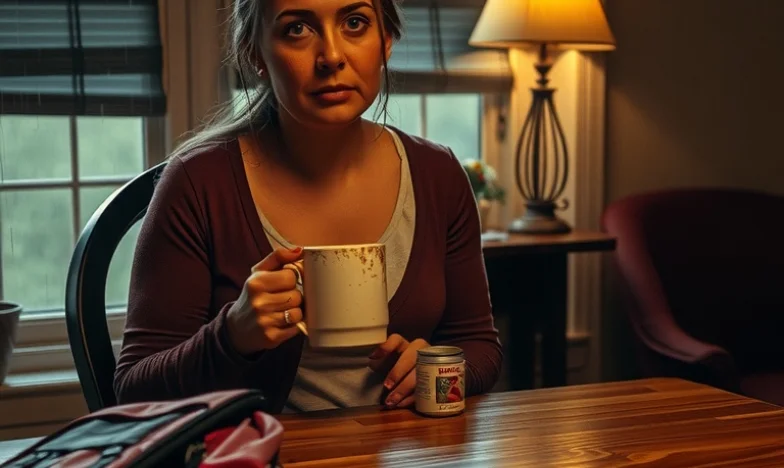
The rain hammered against the kitchen window as I stared at the clock, my hands trembling around a chipped mug. Emily’s backpack sat by the door, untouched. Mark was late again. My phone buzzed, and I snatched it up, hoping for an apology. Instead, a curt text: “Running behind. Traffic. Will drop her off in 30.”
I wanted to scream. Instead, I typed back, “She has piano at 5. Please don’t make her late.”
He didn’t reply.
—
It’s been a year since Mark and I signed the divorce papers in that cold, sterile courthouse in Columbus, Ohio. I remember the judge’s voice echoing, the gavel’s finality. We promised to stay civil for Emily’s sake. But promises are easy in theory, and impossible in practice when resentment simmers beneath every word.
At first, we tried. We split weekends, alternated holidays. But when the topic of child support came up, everything changed. Mark insisted he couldn’t afford the amount the court ordered. I insisted Emily deserved stability. Our conversations devolved into shouting matches, even in front of her.
One night, after Emily had gone to bed, Mark called. His voice was cold. “You’re bleeding me dry, Sarah. I can’t keep up with these payments.”
I clenched my jaw. “It’s not about you, Mark. It’s about Emily. She needs clothes, food, after-school care—”
He cut me off. “You think I don’t know that? I’m not made of money.”
I hung up, tears burning my eyes. I hated that money had become our battleground. But what choice did I have? My salary as a nurse barely covered rent, let alone everything Emily needed.
—
The next morning, Emily asked, “Mommy, why do you and Daddy always fight?”
My heart cracked. I knelt beside her, brushing her hair from her face. “We’re just trying to figure things out, honey. We both love you very much.”
She nodded, but her eyes were sad. I knew she didn’t believe me.
—
Mark started showing up late for pickups, sometimes not at all. He’d make excuses—work, traffic, a flat tire. Emily would wait by the window, clutching her stuffed bunny, her hope fading with every passing minute.
One Friday, after he canceled last minute, I lost it. I called him, voice shaking. “You can’t keep disappointing her, Mark. She’s just a kid!”
He snapped, “Maybe if you weren’t so controlling, I’d actually want to spend time with her.”
I bit back a sob. “This isn’t about me. It’s about her.”
He hung up.
—
The legal bills piled up. My lawyer warned me, “If he keeps missing payments, we’ll have to go back to court.”
I dreaded the thought. The last hearing had left me drained for weeks. But Emily needed stability. I filed the paperwork, feeling like a traitor.
Mark retaliated by filing for joint custody, claiming I was alienating him from Emily. The court ordered mediation. We sat across from each other in a stuffy office, a mediator between us.
Mark glared at me. “You’re poisoning her against me.”
I shook my head. “She’s old enough to see what’s happening.”
The mediator tried to keep us calm, but the session ended with Mark storming out, slamming the door so hard the glass rattled.
—
Emily’s grades slipped. Her teacher called me in. “She seems distracted. Withdrawn. Is everything okay at home?”
I forced a smile. “We’re going through a rough patch.”
That night, I found Emily crying in her room. “I wish things could go back to how they were,” she whispered.
I hugged her tight, guilt gnawing at me. “Me too, sweetheart. Me too.”
—
The holidays were the worst. Mark and I argued over who got Emily for Christmas. In the end, we split the day—morning with me, afternoon with him. Emily shuffled between houses, her joy dimmed by the tension.
My parents tried to help, but their advice only made me feel more alone. “Maybe you should compromise more,” my mom said. “For Emily’s sake.”
I wanted to scream. Didn’t they see how hard I was trying?
—
One evening, after another heated phone call with Mark, I sat at the kitchen table, head in my hands. Emily tiptoed in, her small hand on my shoulder.
“Mommy, are you sad because of Daddy?”
I nodded, unable to speak.
She crawled into my lap, wrapping her arms around me. “I love you both. I wish you could be friends.”
Her words broke me. I sobbed into her hair, wishing I could shield her from all of this.
—
The emotional turning point came one night when Mark showed up unannounced, banging on the door. Emily was already asleep. I opened the door, bracing myself.
He looked exhausted, eyes rimmed red. “I can’t do this anymore, Sarah. I’m drowning. The bills, the guilt, the fighting. I miss my daughter.”
I swallowed hard. “So do I. But we can’t keep tearing each other apart.”
He slumped against the doorframe. “What do we do?”
For the first time in months, I saw the man I once loved—not my enemy, but Emily’s father. I took a shaky breath. “We need help. Real help. For Emily’s sake.”
He nodded, tears in his eyes. “Okay.”
—
We started family counseling. It wasn’t easy. We fought, we cried, but slowly, we learned to communicate. The court adjusted the child support to something more manageable. Mark made an effort to be present, and I tried to let go of my anger.
Emily smiled more. Her grades improved. The tension eased, though scars remained.
—
Now, when I watch Emily play in the backyard, I still ache for the family we lost. But I’m proud of how far we’ve come. Mark and I will never be what we once were, but we’re learning to be partners in parenting, not adversaries.
Sometimes, love isn’t enough. Sometimes, it’s the fight that teaches us what really matters.
Would I do things differently if I could? Maybe. But I know one thing for sure: I’ll never stop fighting for my daughter’s happiness.
Based on a true story.