When My Mother-in-Law Came Knocking: The Day I Chose My Own Family First

The knock on our door was frantic, desperate—like someone pounding for their life. I looked at Karol, my husband, his face already pale as he stood up from the kitchen table. Our toddler, Ethan, clung to my leg, sensing the tension in the air.
“Open up, please! It’s me!” The voice was unmistakable—my mother-in-law, Linda, crying so hard her words were barely audible.
Karol hesitated, his hand hovering over the doorknob. I could see the storm of emotions in his eyes: fear, confusion, and something like hope. Maybe, after all these years, his mother was finally coming to us for something other than a polite phone call or a holiday card.
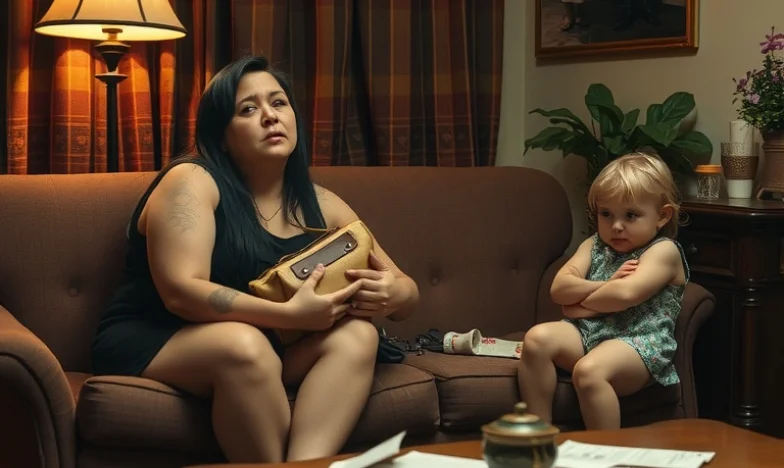
He opened the door. Linda stumbled in, mascara streaked down her cheeks, clutching a battered purse. She looked smaller than I remembered, fragile in a way I’d never seen before.
“Karol, please… I have nowhere else to go,” she sobbed, collapsing onto our worn-out couch. “Your father… he’s left me. He’s with someone else. I—I can’t go home.”
I stood frozen, Ethan’s tiny hand gripping mine. My mind raced back through the years—years of being overlooked, of struggling alone, of watching Karol’s parents shower his brothers with gifts and affection while we scraped by, invisible.
—
Karol is the middle child. In America, we like to think every kid gets a fair shot, but in our family, that was never true. His older brother, Mark, got everything: a down payment for a house, help with the wedding, even a new car when his twins were born. The youngest, Josh, was the golden boy—Linda and her husband bought him a condo the day he graduated college.
But us? After our wedding, we asked if we could stay in one of their rental apartments, just until we got on our feet. Linda and her husband agreed—if we paid full rent. We did, scraping together every penny, until they found someone willing to pay more and kicked us out with a month’s notice.
We were lucky to find a tiny place of our own, but it meant taking out a mortgage we could barely afford. When Ethan was born, things got even harder. I remember nights when I’d skip dinner so Karol could eat, and my mother drove six hours from Ohio every weekend just to bring us groceries.
Linda and her husband knew. They called once, maybe twice, to say congratulations when Ethan was born. They never visited. They never offered help. On holidays, we watched Facebook photos of Mark’s family at their house, the table overflowing with food. We were never invited.
I tried not to resent them. I told myself they had their reasons, that maybe we’d done something wrong. But as the years passed, the hurt hardened into something else—resolve, maybe. I promised myself I’d never let Ethan feel that kind of neglect.
—
Now Linda was here, sobbing on our couch, asking for help. Karol sat beside her, his hand trembling as he reached for hers.
“Mom, what happened?” he whispered.
She shook her head, tears streaming. “Your father… he’s with a younger woman. He says I have to leave. Mark won’t let me stay—he says his house is too full. Josh… well, you know how he is. I have nowhere else to go.”
I felt a cold anger rising in my chest. For years, we’d been invisible. Now, suddenly, we were her only hope.
Karol looked at me, pleading. “Sarah, can we…?”
I shook my head, my voice barely above a whisper. “No, Karol. Not after everything.”
Linda looked up, her eyes wide with shock. “Please, Sarah. I know I haven’t been the best mother-in-law, but I’m begging you. I have nowhere else.”
I knelt down, looking her straight in the eyes. “Linda, when we needed help, you turned your back on us. You never even met your grandson until today. I’m sorry, but I have to put my family first.”
She broke down, sobbing harder. Karol sat in silence, torn between his mother and the family he’d built with me.
—
The days that followed were tense. Linda stayed in a motel for a while, calling Karol every night, begging him to reconsider. Mark and Josh called too, furious that we’d turned her away, accusing us of being heartless.
But I stood my ground. I remembered every sleepless night, every empty fridge, every time I’d watched Karol’s face fall when his parents forgot his birthday or ignored Ethan’s milestones. I remembered the pain of being left out, of feeling like we didn’t matter.
One night, Karol and I sat on the porch, watching Ethan chase fireflies in the yard. He was quiet for a long time before he spoke.
“Do you think I’m a bad son?” he asked, his voice barely audible.
I shook my head. “No, Karol. You’re a good man. But you’re a father now. You have to protect us, even if it means making hard choices.”
He nodded, tears in his eyes. “I just wish things were different.”
—
Weeks passed. Linda eventually moved in with a distant cousin in another state. We heard through the grapevine that she was struggling, but she never called again. Mark and Josh stopped speaking to us, blaming us for abandoning their mother.
Sometimes, late at night, I wonder if I did the right thing. I think about forgiveness, about second chances. But then I remember the years of silence, the empty holidays, the way Linda looked right through us when we needed her most.
I don’t know if I’ll ever be able to forgive her. Maybe one day, when the hurt isn’t so raw. For now, I hold my family close, grateful for the life we’ve built together, even if it’s not the one I imagined.
Family isn’t always about blood. Sometimes, it’s about the people who show up when you need them most. And sometimes, it’s about learning when to say no, even when it breaks your heart.
Based on a true story.