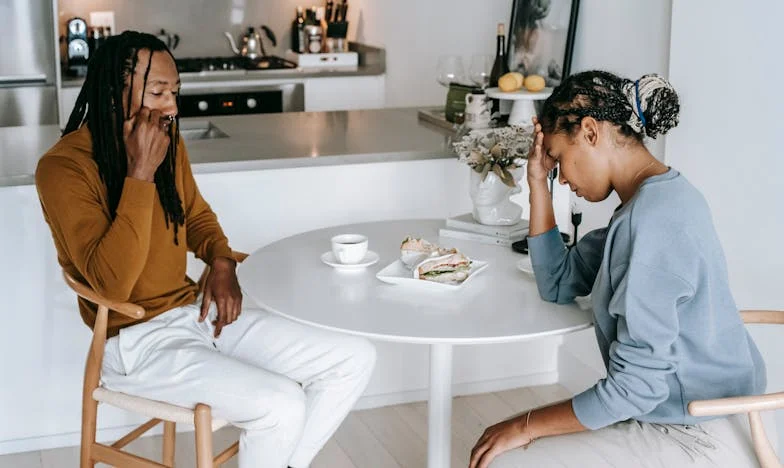
Unwanted Daughter-in-Law: My Struggle for Acceptance and Family Harmony

“You’re making a mistake, Michael. She’s not right for you.” My voice trembled as I clutched the edge of the kitchen counter, watching my son’s face harden. The morning sun slanted through the window, catching the dust motes in the air, but all I could see was the shadow that had fallen over our family. Michael’s jaw clenched. “Mom, I love her. I wish you’d try to see her the way I do.”
I wanted to scream, to shake him, to make him understand. Instead, I turned away, blinking back tears. The wedding was in three hours. My only son—my baby—was marrying a woman I barely knew, a woman who seemed to have no interest in our family traditions or values. Emily was polite, always smiling, but there was something about her—something I couldn’t put my finger on—that made me uneasy. Maybe it was the way she called me “Mrs. Carter” instead of “Linda,” or how she never offered to help with Thanksgiving dinner, preferring to scroll through her phone in the living room.
The ceremony was beautiful, everyone said so. But as I watched Michael slip the ring onto Emily’s finger, my heart felt like it was being squeezed in a vice. My husband, Tom, squeezed my hand, but his eyes were on Michael—proud and teary. I felt alone in my grief, an outsider at my own son’s wedding.
Afterward, at the reception, I tried to smile for the photos. Emily’s mother gushed about how happy she was to have Michael in their family. I wanted to snap back that we were losing him, not gaining anyone. Instead, I sipped my wine and watched as Michael and Emily danced, their faces alight with joy.
The months that followed were a blur of strained phone calls and awkward Sunday dinners. Emily would bring some trendy new dish—quinoa salad or vegan lasagna—and Michael would rave about it while Tom and I pushed it around our plates. I missed the comfort of our old routines: meatloaf on Mondays, football on Sundays, laughter echoing through the house.
One evening, after another tense dinner, Tom confronted me. “You have to give her a chance, Linda. You’re pushing Michael away.”
I bristled. “She doesn’t even try! She doesn’t care about our family.”
Tom sighed. “Maybe she’s scared. Maybe she feels like you don’t want her here.”
His words stung because they were true. I didn’t want her here—not really. But admitting that out loud felt like betrayal.
The breaking point came on Thanksgiving. Emily offered to host at their apartment in Brooklyn—a far cry from our cozy New Jersey home. Michael insisted it would be fun, a new tradition. I sulked the whole drive over, dreading what awaited us.
Their apartment was small but spotless. Emily had decorated with little pumpkins and candles; she’d even made a turkey—her first ever. But when she brought it out, beaming with pride, I couldn’t help myself.
“Looks a little dry,” I muttered.
The silence that followed was deafening. Michael’s face fell; Emily’s eyes shimmered with hurt.
After dinner, Michael pulled me aside into their tiny hallway. “Why can’t you just be happy for us?” he whispered fiercely.
I snapped back, “Because you’ve changed! You never come home anymore. You don’t call unless she reminds you.”
He shook his head in disbelief. “Mom, I’m building a life with Emily now. That doesn’t mean I don’t love you.”
I left early that night, tears burning my eyes as Tom drove us home in silence.
Christmas came and went with more forced smiles and polite conversation. Emily announced she was pregnant in February. Michael called me first—his voice trembling with excitement—but all I could think about was how much further away he felt.
When their daughter, Lily, was born that summer, I stood outside the hospital room for a long time before going in. Emily looked exhausted but radiant, cradling Lily in her arms. Michael beamed at me.
“Mom,” he said softly, “meet your granddaughter.”
I took Lily in my arms and something shifted inside me—a warmth spreading through my chest as she curled her tiny fingers around mine.
Emily watched me nervously. “Would you… would you like to hold her for a while?”
I nodded, tears streaming down my face as I rocked Lily gently.
In that moment, I realized how much pain my stubbornness had caused—not just for myself, but for everyone I loved. My resentment had built walls between us; my fear of losing Michael had nearly cost me everything.
Over the next few months, I tried—really tried—to let Emily in. We baked cookies together for Lily’s first Halloween; we laughed over burnt gingerbread men and swapped stories about motherhood. It wasn’t easy—old habits die hard—but slowly, the tension eased.
One afternoon, as we sat on their stoop watching Lily toddle across the grass, Emily turned to me.
“I know it hasn’t been easy,” she said quietly. “But I want us to be family.”
I reached for her hand and squeezed it gently.
“We already are,” I whispered.
Now, when I look back on those first years—the anger, the hurt—I wonder how many families are torn apart by pride and fear. How many mothers lose their sons because they can’t let go? How many daughters-in-law feel unwanted when all they want is acceptance?
If you were in my shoes, would you have done things differently? Or is learning to let go just part of loving someone enough to set them free?