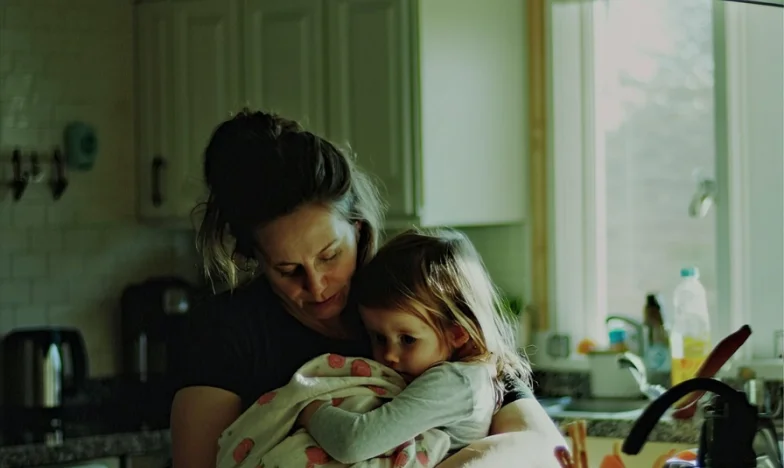
Breakfast with My Mother-in-Law: When Help Becomes a Burden

“I’m done, Sarah. I won’t be coming over anymore.”
Susan’s voice cut through the clatter of breakfast dishes like a cold wind. My hand froze mid-air, a piece of toast suspended between the peanut butter jar and my daughter’s plate. Emma, only four, sniffled at the table, her cheeks flushed with fever. My husband, Mark, stared at his coffee, pretending not to hear.
I felt my chest tighten. The kitchen, usually filled with the soft chaos of morning, was suddenly a stage for a showdown I never wanted.
—
It started with good intentions. Susan had always offered to help—watching Emma while I worked from home, folding laundry, even prepping dinner some nights. At first, I was grateful. But gratitude soured into resentment as her comments grew sharper.
“You know, Sarah, if you kept the counters cleaner, you wouldn’t have ants.”
“Emma needs more vegetables. You let her eat too many snacks.”
I tried to brush it off. She meant well, I told myself. But each remark chipped away at my confidence as a mother and a wife.
Mark would shrug. “That’s just Mom. She’s trying to help.”
But it didn’t feel like help. It felt like judgment.
—
That morning, Emma woke up coughing and burning with fever. I called in sick to work and texted Susan for advice—she’d raised three kids and always seemed to know what to do.
She arrived at 8:00 sharp, purse swinging, lips pursed tighter than usual. She barely glanced at me before launching into her routine: opening windows, wiping counters, checking Emma’s temperature.
“Did you give her Tylenol? She needs fluids. Where’s her favorite cup?”
I tried to answer, but my words tangled in my throat. I felt like a guest in my own home.
When Mark came down for breakfast, Susan’s eyes narrowed at the pile of unfolded laundry on the couch.
“Mark, you should help Sarah more. She can’t do everything.”
He mumbled something about work emails and disappeared into his office.
I wanted to scream. Instead, I poured orange juice and tried to keep my voice steady.
“Susan, I appreciate your help, but—”
She cut me off. “But what? You think I like coming here every morning? I have a life too, Sarah.”
The words stung. My face burned with shame and anger.
“I never asked you to come every day!”
Emma started to cry. The tension in the room was thick enough to choke on.
Susan stood up abruptly, grabbing her purse. “I’m done. Figure it out yourselves.”
She left without another word.
—
The silence after she slammed the door was deafening. Emma sobbed in my arms while Mark hovered in the doorway, guilt etched on his face.
“I’ll call her,” he said quietly.
“No,” I snapped. “Let her cool off.”
But as the hours dragged on and Emma’s fever climbed higher, panic set in. I called the pediatrician, juggled cold compresses and medicine schedules, and tried not to cry in front of my daughter.
By evening, exhaustion had hollowed me out. Mark reheated leftovers for dinner while I sat on the floor beside Emma’s bed, stroking her hair as she slept fitfully.
I thought about Susan—her brisk efficiency, her sharp tongue, the way she always knew where everything was in my kitchen. I hated how much I missed her already.
—
The next morning was worse. Emma’s fever broke in the night but left her weak and clingy. My boss emailed about missed deadlines; Mark had back-to-back Zoom calls; the house looked like a tornado had hit it.
I stared at the sink full of dishes and felt tears prick my eyes. Pride kept me from calling Susan. But pride didn’t fold laundry or soothe sick children.
At noon, there was a knock at the door.
I opened it to find Susan standing there with a bag of groceries and a wary look on her face.
“I brought soup,” she said gruffly.
I stepped aside to let her in.
She set the bag on the counter and turned to me, arms crossed.
“I shouldn’t have yelled,” she said quietly. “But you make it so hard sometimes.”
I swallowed hard. “I know. I just… I want to do things my way.”
She sighed. “And I want to help. But maybe I need to back off a little.”
We stood there in awkward silence until Emma shuffled into the kitchen, clutching her blanket.
“Nana?” she whispered.
Susan’s face softened as she knelt down and hugged her granddaughter tight.
—
We found a new rhythm after that day. Susan still came by—less often, but always when we needed her most. She tried to offer advice without criticism; I tried to accept help without resentment.
One afternoon as we folded laundry together, Susan looked at me and said,
“You’re a good mom, Sarah. Don’t let anyone—especially me—make you doubt that.”
Tears sprang to my eyes as relief washed over me.
“Thank you,” I whispered.
—
It’s still not perfect. There are days when Susan’s comments sting or when my pride gets in the way of asking for help. But I’ve learned that love sometimes wears the mask of criticism—and that letting go of pride doesn’t mean giving up independence.
Now when Emma is sick or life feels overwhelming, I call Susan—not because I have to, but because I want to share both the burden and the joy of raising our family.
Maybe that’s what family really means: learning to accept each other’s flaws and finding grace in the messiness of everyday life.
Would you let go of your pride for the sake of peace?
Based on a true story.