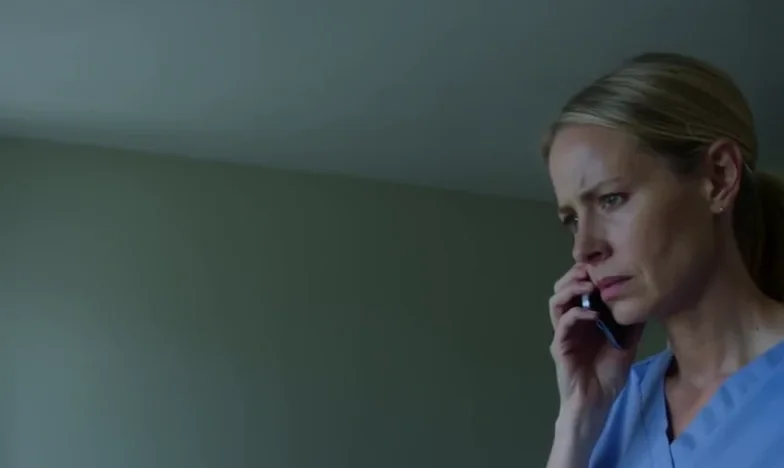
The lab changed their billing code and now they want $490

The phone rang while I was on hold with the county assessor’s office, which tells you how my Tuesday was going. I almost let it go to voicemail, but the number was local and I’d been waiting on a call from the clinic about my mom’s bloodwork. I switched over.
“Mrs. Callahan? This is Denise from Dr. Harmon’s office.”
I said, “Yes, hi,” already bracing, because Denise never called with good news. She was the office manager, the one who handled billing and the occasional scolding about missed appointments.
“I’m calling about the balance on your mother’s account,” she said. “It’s been ninety days, and we’re going to have to send it to collections if we don’t get a payment.”
I was standing in my kitchen, still in my scrubs from the night shift, and I remember looking at the pile of mail on the counter and thinking, not this again. My mother had been seeing Dr. Harmon for three years, ever since her thyroid went haywire. We’d always paid the copay at the front desk. Always.
“What balance?” I asked.
“It’s for the lab work from March,” Denise said. “The insurance denied it. Twice. We’ve appealed, but they’re standing by the denial. The remaining balance is four hundred and sixty-two dollars.”
I asked her to send me the explanation of benefits, and she said she would, but her voice had that tone, like she was already tired of me. I hung up and sat down at the kitchen table. Four hundred and sixty-two dollars. Not enough to ruin us, but enough to hurt. My husband, Rick, had been laid off from the plant in February, and we were living on my nursing shifts and his unemployment. Every dollar had a job.
The EOB came in the mail three days later. It said the lab work was out of network. Which made no sense, because the lab was in the same building as Dr. Harmon’s office. I’d walked my mother down the hall to get her blood drawn. I’d signed the same clipboard I always signed.
I called the insurance company. The woman on the phone was polite but firm. The lab had changed their billing code, she said. They were now billing under a different tax ID, one that wasn’t in the network. It was my responsibility to check before services were rendered.
“But I didn’t know,” I said. “Nobody told me.”
“I understand,” she said, and I could tell she didn’t.
I called Denise back. She said the lab was a separate business, even though they shared a waiting room. She said it wasn’t the doctor’s office’s job to verify every lab’s network status. She said I could set up a payment plan.
I said, “But I paid my copay. I did everything right.”
She said, “I’m sorry you feel that way.”
That’s when I got mad. Not screaming mad, but the kind of mad that sits in your chest and keeps you up at night. I started keeping a folder. I printed every EOB, every email, every note from my calls. I wrote down names and dates and reference numbers. I called the lab directly and asked why they changed their tax ID. The woman who answered said she didn’t know anything about that. I asked to speak to a supervisor. She said someone would call me back. Nobody did.
I called the state insurance commissioner’s office. I sat on hold for forty minutes, and when I finally got through, the man who answered said he could send me a complaint form. I filled it out and mailed it. I didn’t hear anything for six weeks.
Meanwhile, Denise called again. The balance was now four hundred and ninety dollars, with a late fee. I told her I was disputing it. She said that was my right, but the account would still go to collections if I didn’t pay.
I talked to my friend Sheila, who works in medical billing at the hospital. She told me to ask for a coding review. She said sometimes labs make mistakes, and if you push hard enough, they’ll fix it. She also said to check if the lab had a history of this. So I did. I went online and found a local news story from two years earlier about the same lab being investigated for surprise billing. The reporter’s name was Marcus Webb. I found his email on the station’s website and sent him a note. I didn’t expect much.
A week later, Marcus called me. He asked a lot of questions. He said he’d been looking into the lab for a while, and my story fit a pattern. He asked if I’d be willing to talk on camera. I said no, but I’d give him my folder if it helped.
It helped. Marcus ran a story about the lab and the billing code switch. He interviewed a former employee who said the lab had been doing it on purpose, moving patients to an out-of-network entity to collect higher fees. The state insurance commissioner’s office called me the day after the story aired. They said they were opening an investigation.
Two months later, I got a letter saying the lab had agreed to a settlement. They had to refund affected patients and pay a fine. My mother’s balance was wiped to zero. I got a check for one hundred and twelve dollars, which was the late fee and some other charge I’d already paid.
I deposited the check and put the folder in a drawer. I still have it. I don’t know why. Maybe because it took so much work to fill it. Maybe because I want to remember that I didn’t just pay the four hundred and ninety dollars and let it go.
Denise called one more time, after the settlement, to say the account was closed. She didn’t apologize. She just said, “You’re all set,” like she was doing me a favor.
I said, “Thanks,” and hung up.
My mother still sees Dr. Harmon. The lab still shares the building. But now there’s a sign at the front desk that says patients can ask about network status before any lab work. I saw it last month when I took my mom for her checkup. It’s a small sign, easy to miss. But it’s there.