The Secret in My Mother’s Garden: How Castor Leaves Changed Everything

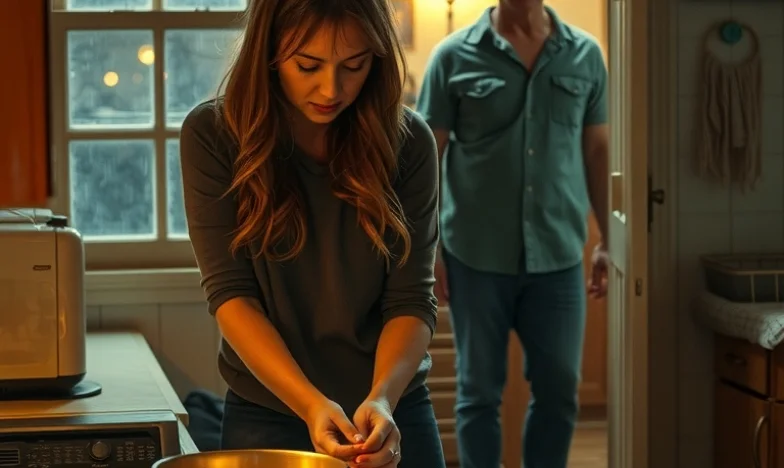
The rain hammered the kitchen window as I pressed a cold compress to my mother’s swollen knee. She winced, her knuckles white against the Formica table.
“Don’t fuss, Emily,” she said, voice brittle. “It’s just the weather.”
But I could see the pain etched deep in her face, the way she tried to hide it from me and Dad. The doctors called it arthritis, prescribed pills that left her groggy and distant. Nothing seemed to help.
I was twenty-four, living at home again after my job in Chicago evaporated. Dad worked double shifts at the plant, and I felt useless, watching Mom fade into the background of her own life.
One night, after another round of painkillers and silence, I heard her crying in the bathroom. I knocked softly. “Mom? Let me help.”
She opened the door, eyes rimmed red. “I can’t keep living like this, Em.”
That was the moment everything changed.
—
I spent the next day scouring the internet for anything—anything—that might ease her pain. I stumbled across a forum post about castor leaves. Some woman in Georgia swore by them for her joint pain. I remembered the wild, glossy plants growing at the edge of our backyard, the ones Mom always threatened to cut down.
I hesitated. It sounded like something out of a fairy tale. But desperation makes you brave.
That evening, I clipped a handful of leaves, washed them, and heated them gently in olive oil. The kitchen filled with a strange, earthy scent. When I brought the warm leaves to Mom, she laughed. “What is this, witchcraft?”
“Just trust me,” I said, arranging the leaves over her knee and wrapping them with an old towel.
She rolled her eyes, but I saw a flicker of hope.
—
The next morning, she moved more easily. “Maybe it’s the weather,” she said, but I caught her glancing at the leaves on the counter.
We made it a ritual. Every night, I’d heat the leaves, and we’d talk—about her childhood in Ohio, about my dreams, about Dad’s stubbornness. The pain didn’t vanish, but it dulled. Her skin glowed, and the swelling eased. Even her mood lifted.
Dad was skeptical. “You really think some backyard weed is better than medicine?”
Mom shrugged. “It helps. That’s all I know.”
He grumbled, but I saw him watching us, saw the way he lingered in the doorway, wanting to believe.
—
Then came the night of the storm.
Lightning split the sky as Dad burst through the door, soaked and furious. “You’re filling her head with nonsense, Emily! She needs real help, not this—this voodoo!”
I stood my ground. “She’s getting better. Can’t you see?”
He slammed his fist on the table. “I see my wife being used as a guinea pig!”
Mom’s voice was quiet but firm. “Frank, let her try. The pills make me sick. This… this gives me hope.”
He stared at her, the fight draining from his shoulders. “I just want you well, Mary.”
She reached for his hand. “So do I.”
—
After that, Dad softened. He even helped me gather leaves, grumbling about poison ivy but secretly proud.
Word spread. Aunt Linda called, asking about her migraines. Our neighbor, Mrs. Carter, wanted to try the leaves for her eczema. I became the unofficial healer of Maple Street, doling out castor leaf compresses and advice.
But not everyone was convinced. My brother, Jake, called from Denver. “You’re playing doctor now? What if something goes wrong?”
I bristled. “I’m not replacing her meds. I’m just… helping.”
He sighed. “Just be careful, Em. Mom’s all we’ve got.”
—
One afternoon, I found Mom in the garden, her hands deep in the soil. She looked up, cheeks flushed. “I haven’t felt this good in years.”
We sat together, surrounded by the lush green leaves. She told me about her fears—of growing old, of being a burden, of losing herself to pain. I told her about my own worries—about finding work, about feeling lost, about not being enough.
We cried. We laughed. The garden became our sanctuary.
—
But healing isn’t linear.
There were setbacks—days when the pain returned, when the leaves seemed useless, when Dad’s temper flared and I felt like a fraud. There were doctor visits, new prescriptions, and moments of doubt.
One night, as I tucked the leaves around her knee, Mom squeezed my hand. “You saved me, Em. Not the leaves—you.”
I shook my head. “I just wanted to help.”
She smiled. “That’s all any of us can do.”
—
The castor leaves didn’t cure her. But they gave us something we’d lost: hope, connection, a reason to believe in small miracles.
I found a job at a local clinic, inspired by what I’d learned. Mom started a community garden, teaching neighbors about natural remedies. Dad built her a bench beneath the castor plants, where they sit together every evening.
Sometimes, when the sun sets and the leaves rustle in the breeze, I think about how close we came to losing each other—to pain, to fear, to silence. And I’m grateful for the magic we found in our own backyard.
Maybe healing isn’t about cures. Maybe it’s about showing up, trying, and believing in the power of love—and a little bit of nature’s overlooked magic.
Based on a true story.